


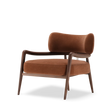
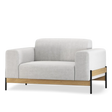
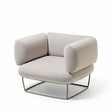
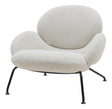
Furnishing a dining room often starts with mood boards and sample finishes, then quickly turns into a harder question. Which restaurant furniture tables and chairs will still look right after constant cleaning, moved layouts, and heavy service? For most operators, that decision sits inside a much bigger one: how to protect cash, preserve flexibility, and avoid buying the same pieces twice.
That's why furniture should be treated as an operating asset, not a decorative line item. Tables affect cover count. Chairs affect guest comfort, staff flow, and replacement cycles. Materials shape maintenance time and brand perception. Procurement model determines whether the cost lands as CAPEX or OPEX. In the UK, that matters because even a small café typically budgets £2,000–£4,000 for seating and tables, while mid-sized restaurants often sit at £5,000–£10,000 and larger or high-end venues spend upwards of £15,000. A practical rule of thumb in the trade is to allocate 10–15% of the total fit-out budget to furniture.
Table of Contents
- Introduction
- Selecting for Service Life, Not Just Style
- Designing for Flow and Capacity
- Expressing Your Brand Through Furniture
- A Strategic Cost Analysis of Restaurant Furniture Tables and Chairs
- Beyond Buying: Hospitality Furniture Subscription and Leaseback Models
- Implementing a Circular Model for Sustainable Restaurant Furniture
- Frequently Asked Questions
- Conclusion
Introduction
New restaurant owners usually face the same tension. The room has to open looking considered and complete, but the furniture budget is already competing with kitchen equipment, lighting, flooring, and front-of-house works. That's where bad decisions get made. Operators buy on appearance alone, underestimate wear, and only realise later that chairs wobble, tops mark, and fixed layouts limit service.
Commercial restaurant furniture has to do more than fill a room. It needs to support turnover, cleaning, acoustics, flexibility, and guest perception at the same time. A chair that stacks cleanly can save time during service changeovers. A replaceable tabletop can prevent a full table write-off. A better table mix can recover lost covers without cramping staff routes.
It pays to look at this through a procurement lens. Instead of comparing products in isolation, the better approach is to assess service life, repairability, layout efficiency, financing model, and end-of-life recovery together. That produces tables and chairs that operators can live with for years, not just opening week.
Selecting for Service Life, Not Just Style
Opening week hides a lot. Chairs still feel tight, tabletops still look clean, and every finish appears fit for purpose under soft lighting. Six months into service, the true test starts. Edges chip, glides wear down, joints loosen, and any material that cannot handle constant wiping or moisture starts costing money.
Materials decide maintenance
The quickest way to overspend on restaurant furniture tables and chairs is to approve a finish from a showroom sample without testing it against actual service conditions. A common trajectory: solid timber tops are chosen for warmth and character, then a couple of years of heavy turnover, water marks, dents, and cleaning wear push the whole table stock towards replacement. Specifying a compact laminate top on a table with a replaceable top from the start keeps the look close to the brief, improves service life materially, and means future refreshes only require changing the top rather than replacing the full table.

That specification choice affects labour, replacement timing, and resale or recovery value at the end of use. Certified materials such as FSC/PEFC wood and OEKO-TEX textiles or surface treatments also make procurement cleaner because provenance, treatment standard, and maintenance expectations are easier to verify.
Practical rule: For any tabletop facing constant wiping, spills, and plate movement, specify for maintenance tolerance first and visual character second.
Pedrali is a useful contract reference because its ranges are built for commercial repetition rather than occasional residential use: stackable chairs for service changeovers, stable pedestal bases such as the Inox range that perform indoors and in covered terrace settings, and tops available in both compact laminate and solid wood. These are not catalogue abstractions: the selection at The Moment, a Paris bistrot furnished by Enky, includes Pedrali Inox bases and Alki's Lur laminated-top table. Operators reviewing restaurant dining table options for contract use should assess that same combination of finish durability, spare-part availability, and replacement logic before comparing price alone.
Modularity changes the replacement equation
Durability only solves part of the problem. Repairability determines whether furniture remains an asset or turns into waste after routine wear.
Many high-volume venues still rely on non-modular fixed designs where worn parts cannot be replaced individually, which drives up replacement costs over time. That pattern shows up on the floor quickly. If seat pads, glides, tops, or back panels can be changed on their own, the asset stays in service longer and capital spend can be phased. If they cannot, minor damage forces a full replacement cycle.
This is the point many first-time operators miss. A lower purchase price can produce a higher five-year cost if the chair cannot be re-glided, the top cannot be swapped, or the frame finish cannot be refreshed. We advise clients to ask three direct questions before approving any line: what fails first, can that part be replaced, and who will still supply it in three years.
Good restaurant furniture should survive daily use, support repair, and keep value in the asset for as long as possible. That is a procurement decision, not a styling decision.
Designing for Flow and Capacity
Layout earns its keep
A layout problem often looks like a furniture problem. The dining room feels tight, aisles feel awkward, and the team assumes the answer is smaller chairs or fewer tables. In practice, the issue is usually the combination of table shape, base footprint, and angle of placement.

As an illustration, take a room laid out with fixed 80 cm square tables in a rigid grid, creating dead space along the window wall. Switching to a mix of 70 cm square tables and 70 x 110 cm rectangular tables on compact pedestal bases, then angling a row or two, can recover enough space for additional two-top covers while keeping aisle widths comfortably above 90 cm. Small geometry changes like these often translate directly into extra covers per service.
That's why layout should be tested with actual furniture dimensions, not abstract floor-plan blocks. A compact base can improve legroom. A rectangular top may align better with a banquette or wall run. A stackable side chair can let the room shift between standard service and events.
What works on the floor
Operators comparing Enky dining tables should focus less on style category and more on how each table type supports movement patterns.
A useful planning filter:
- For compact dining rooms: prioritise pedestal bases and tops that can combine cleanly for larger groups.
- For mixed dayparts: choose layouts that let breakfast, lunch, and evening service run without a full reset.
- For staff efficiency: avoid oversized chairs in high-turnover zones where they slow clearing and re-seating.
Good restaurant flow is rarely about fitting more furniture in. It's about removing the pieces that interrupt service.
The best-performing rooms usually mix formats rather than repeating one module across the whole floor. Two-tops by the façade, more flexible rectangular tables in the centre, and lighter side chairs in high-turnover zones tend to outperform a one-size-fits-all layout.
Expressing Your Brand Through Furniture
Start with the brand board
Furniture is one of the clearest physical expressions of a restaurant's identity. The useful starting point isn't a product catalogue. It's a brand board made up of a palette, a material reference, and a mood image. That gives the spec process enough clarity to choose finishes with intention rather than trying to reverse-engineer a concept from stock items.
Pedrali and Alki are particularly useful for this because their finish libraries allow a commercial scheme to stay coherent without becoming generic. Powder-coat options, upholstery choices, timber tones, and base finishes let an operator build a room that feels specific to the brand while staying within a contract-grade furniture system.
The Moment, a bistrot-style restaurant on Rue du Fer à Moulin in the 5th arrondissement of Paris, shows what this looks like in practice. Owner Emilie Piolet and interior designer Tiphaine Montcerisier used Enky's subscription to furnish the room with velvet dining chairs in pink and green, tables with antique brass legs, a soft green simili leather sofa, and high seating at the bar. The subscription opened up pieces that would otherwise have stretched the opening budget beyond reach, so the designer could choose materials that served the space rather than the spreadsheet.

For softer waiting or lounge-adjacent hospitality zones, Actiu's Cuic Two Colour Lounge Chair is a useful reference point. The Cuic collection includes lounge chairs, sofas, and a matching coffee table, with high-resilience polyurethane foam, elastic webbing, sturdy wooden frames, and die-cast aluminium legs. Those construction details matter because they support longevity as well as visual consistency.
Customisation should stay practical
Customisation works best when it doesn't create future maintenance problems.
A sensible approach is:
- Use colour selectively: carry the brand tone through seat pads, stitching, or powder-coat accents rather than every surface.
- Keep structural elements stable: neutral frames age better through concept tweaks than highly specific lacquer choices.
- Specify replaceable soft parts: modular seat pads and back panels can be reupholstered later without replacing the frame.
That last point is where design and sustainability align. If the restaurant identity evolves, the room can evolve with it instead of being stripped out and replaced.
A Strategic Cost Analysis of Restaurant Furniture Tables and Chairs
Price is only the first figure
A restaurant owner feels furniture cost twice. First at fit-out. Then again in repairs, replacements, lost covers during refresh work, and the slower brand damage that shows up when a dining room starts looking tired.
That is why we assess restaurant furniture tables and chairs as operating assets, not décor line items. The right measure is total cost of ownership across the full service life. Purchase price still matters, but so do cleaning tolerance, repairability, lead times for spare parts, how often items need to come off the floor, and what residual value remains at the end of use.
A practical way to review spend is to separate it into three layers:
| Cost layer | What to assess |
|---|---|
| Initial outlay | Unit cost, freight, installation, fit-out impact |
| Operational cost | Cleaning tolerance, repairs, part replacement, staff handling |
| Lifecycle cost | Refresh cycle, resale or recovery path, disposal risk |
Operators who skip that breakdown usually underbudget the second and third layers. We see it often with low-cost imported seating, where the invoice looks sharp, but glides fail, joints loosen, finishes chip, and replacement batches no longer match six months later.
Typical UK budget ranges
As a budgeting baseline, typical UK trade pricing places restaurant tables anywhere from £70 to £1,200 and chairs from £30 to £200 each, depending on material, size, and build quality. Solid timber tables sit at the upper end of that range, while smaller two-seater tables and polypropylene chairs sit at the lower end.
Those ranges are useful as a budgeting baseline. They are not a buying strategy.
A lower entry price can make sense for a fast-turn concept with a short lease and a planned refresh in a few years. It is usually poor value for a site expected to trade hard, maintain a premium feel, and avoid visible degradation. In that case, a higher-spec frame, replaceable components, and a finish that can be repaired often produce the lower cost per year of use.
Calculate annualised cost, not just purchase cost
Here is the test we use in hospitality projects. Divide the full installed cost by realistic service life, then add the expected annual maintenance and replacement burden.
A chair that costs less upfront but lasts three years with frequent repairs can be more expensive per trading year than a contract-grade chair that runs for seven years and accepts replacement glides, pads, or upholstery. The same applies to table tops. A laminate top may outperform timber in one concept because it handles cleaning chemicals, impact, and daily turnover with less intervention. In another concept, solid timber earns its keep because it can be refinished instead of discarded.
This is also where finance structure starts to matter. If preserving cash is more important than ownership on day one, a restaurant furniture leaseback model can change the cost profile by releasing capital tied up in fit-out assets while keeping the furniture in use.
The best buying decision is rarely the cheapest SKU on the quote sheet. It is the specification and funding approach that protects service standards, reduces replacement churn, and leaves a usable recovery path at the end of the furniture's life.
Beyond Buying: Hospitality Furniture Subscription and Leaseback Models
Three models for different balance sheets
Traditional suppliers usually assume outright purchase. That works for some operators, but it isn't the only route. For restaurants trying to protect working capital or avoid locking too much money into fit-out assets, hospitality furniture subscription and leaseback models can make more sense.

There are three broad routes:
- Circular purchase means the operator owns the furniture from day one, with end-of-life recovery built into the model.
- Subscription or FaaS converts a large upfront furniture cost into a recurring operating expense, with the option to buy later.
- Leaseback allows a business to release capital tied up in existing furniture assets while keeping those assets in use.
At Enky, those three models sit inside one hospitality offer, which makes it easier for operators to match procurement to cash-flow strategy rather than forcing every project into an outright purchase model. The broader hospitality context is available through Enky's hospitality page, and the subscription model is outlined on Enky's furniture subscription page.
For a visual overview of how leaseback fits into asset strategy, this short video is useful.
Where each model fits
A startup restaurant with tight opening liquidity may prefer OPEX over a large CAPEX hit. A multi-site group may prefer circular purchase with recovery built in. An established operator that already owns furniture may need to improve cash position without replacing its whole estate. In that case, Enky's leaseback model is one route worth evaluating.
The models also combine. At Momoamo's Domaine de Courtigis, a corporate-retreat estate just over an hour from Paris with five renovated buildings and seven meeting spaces, Enky paired a circular purchase for the permanent anchor pieces with a subscription layer that can be refreshed or reconfigured as the concept evolves. The operator keeps design consistency without locking every piece into ownership.
Subscription suits uncertainty. Leaseback suits trapped capital. Circular purchase suits operators who want ownership with a defined next-life path.
The decision is financial as much as aesthetic. Furniture isn't just something the room needs. It's an asset class that can be structured.
Implementing a Circular Model for Sustainable Restaurant Furniture
A restaurant opens with a clean fit-out, then six months of service starts to show. Chair frames loosen, finishes chip on table edges, and one damaged seat often sidelines a full set because no one planned for repair, parts, or recovery. That is where furniture stops being a style decision and starts behaving like an operating asset.
The sustainability case for sustainable restaurant furniture starts with preventable replacement. WRAP, the UK's circular-economy body, estimates that the UK discards around 1.2 million desks and 1.8 million chairs every year, and that only about 17% are recycled. Hospitality furniture faces even harsher conditions than office stock, with daily abuse from cleaning chemicals, movement, impact, and turnover pressure, and much of what gets discarded goes early because of minor, repairable damage rather than genuine end of life.

A circular model changes the commercial logic. Specify products that can be disassembled. Keep them in service with planned maintenance. Repair or refurbish components instead of replacing full units. Recover the asset at the end of first life and place it into resale, reuse, or material recycling channels. That process protects budget as well as waste targets because you are paying for service life, not just delivery day.
The practical challenge is setting this up before the first order is placed. We advise operators to ask four direct questions. Can the chair be repaired without replacing the frame? Can table tops, bases, and glides be separated and renewed individually? Is there a defined take-back or recovery route? Who owns the residual value at end of use? If those answers are unclear, the disposal cost usually lands back on the operator.
Short-term rental and circular procurement solve different problems. Rental covers temporary demand, such as an event or a pop-up. Circular procurement is a lifecycle strategy tied to maintenance, residual value, and recovery, and for ongoing operations a furniture subscription usually fits that need better than event-style hire.
The ownership route with a defined recovery path is Enky's circular purchase model for hospitality furniture. For operators managing fit-out cash, ESG reporting, and replacement risk at the same time, that approach turns restaurant furniture tables and chairs into assets with a planned next use instead of future waste.
Frequently Asked Questions
Is subscription more expensive than buying outright?
The right comparison is total cost over the period you expect to use the furniture. Buying usually lowers long-term cost if you keep the assets in service for years and manage maintenance well. Subscription can make more financial sense when cash is tight at launch, the concept is still being proven, or you want replacement and service wrapped into one operating cost.
We advise operators to compare three numbers side by side. Upfront cash required. Total spend over the contract term. Residual value or recovery value at the end.
Are modular chairs less durable than fixed designs?
Durability comes down to engineering, materials, and parts availability. A well-built modular chair often performs better in restaurant use because you can replace glides, shells, pads, or fixings before wear turns into a full-unit replacement.
That matters on busy floors. The chair that survives longest is often the one you can maintain fastest.
What combination works well for busy dining rooms?
For many high-turn settings, a practical starting point is a stackable metal-frame contract chair paired with a stable pedestal base and a top that matches the cleaning and wear profile of the room. Contract ranges from brands like Pedrali work well in service because the pieces handle frequent movement and give operators flexibility across indoor and covered terrace use.
The better question is whether the full set matches your service model. Fine dining, all-day casual, and terrace-heavy trading put different stress on chairs, bases, and top finishes.
How should a new operator set the furniture budget?
Set the budget against service life, not purchase day alone. As noted earlier, trade guidance often places furniture at around 10–15% of the wider fit-out budget, but that range is only a starting point. A room with heavy daily covers, outdoor exposure, or frequent layout changes will usually need a stronger specification and a larger allowance.
We usually tell operators to budget for four cost layers. Initial purchase or access cost. Delivery and installation. Maintenance and part replacement. End-of-life removal, resale, or recovery.
Can a branded interior still be repairable?
Yes, if the branding sits in elements you can change without scrapping the structure. Upholstery, seat pads, table tops, and finish details can carry a lot of character. Keep the frame, base, and core construction durable and standardised where possible.
That approach protects the look of the room and gives you options later. A seasonal refresh is far cheaper when you are replacing components instead of whole tables and chairs.
Conclusion
Restaurant furniture is never just a buying decision. It shapes service flow, replacement cycles, capital planning, and the long-term quality of the room. The strongest specifications treat tables and chairs as lifecycle assets, with design, finance, and recovery considered together.
Operators comparing restaurant furniture tables and chairs can explore Enky for hospitality-focused furniture, circular purchase, subscription, and leaseback models that align design choices with long-term asset strategy.


