


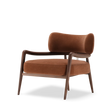
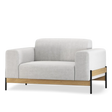
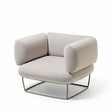
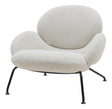
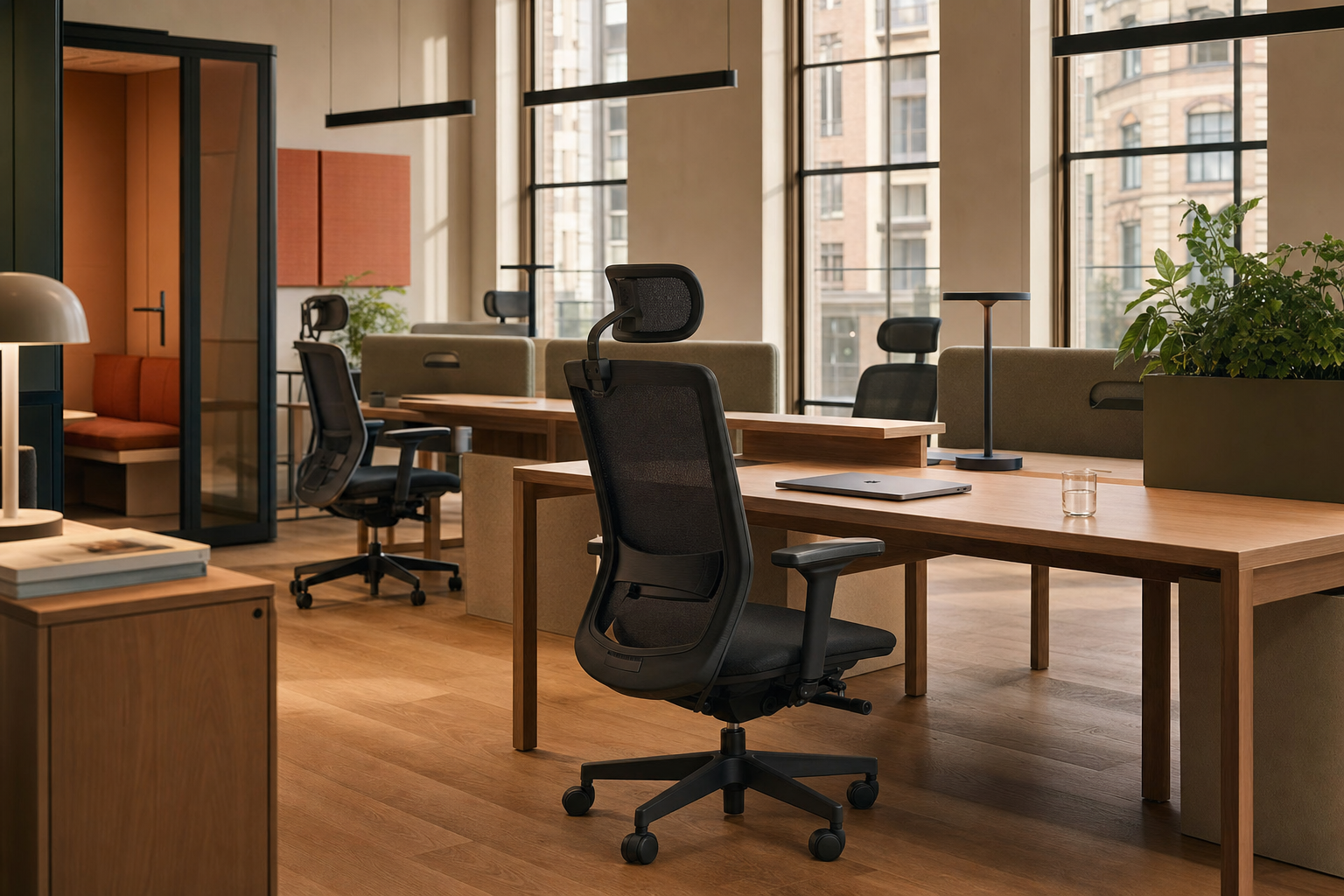
Back pain is no longer a minor workplace complaint. The Health and Safety Executive estimates that 511,000 workers in Great Britain were suffering from a work-related musculoskeletal disorder in 2024/25, with the back among the most commonly affected areas and over seven million working days lost to these conditions. That changes the conversation around the best ergonomic office chairs UK buyers should shortlist. This isn't about buying a chair with the most levers. It's about reducing avoidable strain, protecting productivity, and choosing assets that still make financial sense after years of use.
For operations leaders, founders, and workplace managers, the mistake is usually the same. They compare upfront prices, then discover too late that poor adjustability, weak materials, and no recovery plan create a larger problem across the floorplate. Premium ergonomic seating works best when procurement considers ergonomics, lifecycle, and cash flow together. That's where a better spec, and a better model for access, starts to matter.
Table of Contents
- The Four Ergonomic Features UK Businesses Prioritise
- Calculating the True Cost Beyond the Price Tag
- Why Sustainable Materials and Certifications Matter
- A Smarter Procurement Model for UK Businesses
- Matching the Chair to the Workspace and Use Case
- Your UK Buyer and Specifier Checklist
The Four Ergonomic Features UK Businesses Prioritise
A chair used for eight or more hours a day becomes either a productive asset or a recurring source of complaints. In UK office procurement, four features keep appearing on serious shortlists: dynamic lumbar support, seat depth adjustment, multi-axis armrests, and breathable upholstery. Those priorities reflect a simple reality. Businesses are buying for mixed user groups, shared desks, and longer asset life, not for a five-minute showroom test.

Dynamic support matters more than thick padding
Well-padded chairs often photograph well and disappoint in use. What matters over a full working day is whether the backrest supports movement, recline, and posture changes without forcing the user to keep readjusting. Dynamic lumbar systems tend to hold contact more consistently, which is what reduces the slow drift into poor sitting habits.
Standard UK ergonomic guidance, built on the Health and Safety Executive's display screen equipment principles, gives buyers two practical requirements to screen for early: a five-point base for stability and a seat depth that leaves roughly two to three finger-widths between the seat edge and the back of the knee. In procurement terms, that removes a large volume of low-cost chairs from consideration before the product trial even starts.
Practical rule: If a user cannot keep full contact with the backrest while maintaining that gap behind the knee, the chair does not fit the user properly.
Seat depth is one of the biggest fit issues in real offices
This mistake appears often in tenders. Buyers focus on backrest shape, mesh quality, or brand reputation, then miss the adjustment that decides whether shorter and average-height users can sit back fully without pressure at the front edge of the seat.
For a business with a varied workforce, a sliding seat pan usually delivers more ergonomic value than a longer feature list. It helps preserve pelvic position, supports full back contact, and makes one chair model workable across a broader employee population. That matters in hybrid offices where the same chair may be used by several people over the course of a week.
Armrests affect keyboard work more than buyers expect
Height-only armrests are common because they keep the headline price down. They also limit proper forearm support. In keyboard-heavy roles, armrests need to adjust in height, width, and pivot so users can keep shoulders relaxed and elbows close to the body instead of reaching outward.
That is why many UK specifiers now treat 3D or 4D arm movement as a practical requirement rather than a premium extra. It improves day-to-day comfort and reduces the likelihood that staff push the armrests out of the way or stop using them altogether.
A sensible shortlist for chairs used all day should include:
- Lumbar support that moves with the user: Better for posture changes than a fixed cushion.
- Seat depth adjustment: Helps one chair fit a wider range of users.
- 3D or 4D armrests: More suitable for desk-based work than height-only arms.
- Breathable upholstery: Useful in warm offices, dense floorplates, and long sitting periods.
Breathability matters because chairs have to perform all day
Fabric and mesh choices are often treated as aesthetic decisions. They are operating decisions too. In densely occupied offices, heat build-up affects comfort quickly, especially in meeting rooms, banks of desks, and shared work settings where chairs are in near-constant use. Breathable mesh or quality commercial textiles hold up better in that environment and usually generate fewer comfort complaints.
Good ergonomics also depends on whether people can understand the controls. Chairs such as Pedrali's Noom or Actiu's task seating ranges are frequently specified because the adjustment logic is clear, the default sitting position is sensible, and facilities teams do not need to spend excessive time reteaching setup across the office.
The procurement point is straightforward. The best ergonomic office chairs UK businesses choose are rarely the ones with the longest spec sheet. They are the chairs with adjustments that fit a wide user group, stand up to daily use, and remain practical to standardise across an estate.
Calculating the True Cost Beyond the Price Tag
The cheapest chair on the quote sheet often becomes the most expensive line item in use. Work-related musculoskeletal disorders cost Great Britain over seven million working days a year, an average of around fourteen days per affected worker, and administrative and office-based roles feature prominently in the HSE's sector breakdown, where prolonged display screen work and unsuitable furniture are recognised contributing factors. This is why price-led buying is a weak procurement strategy.
Upfront cost and total cost are different things
A low-cost chair usually looks efficient in a CAPEX spreadsheet. The issue appears later. Arms loosen, castors fail, foam compresses, and the chair becomes hard to maintain or impossible to repair. Once that happens across a floor of workstations, the organisation isn't just replacing products. It's handling complaints, admin, downtime, and avoidable disruption.
A premium commercial chair from a European brand such as Pedrali is easier to justify when the buyer treats it as a long-life asset instead of a disposable product. Replaceable components matter here. Gas cylinders, armrest pads, and castors can often be restored rather than written off, which changes the economics over time.
What durable procurement looks like in practice
For a 50-person startup fitting out a London office, the wrong decision isn't just buying a poor chair. It's buying 50 poor chairs at once.
A better evaluation framework looks like this:
| Decision factor | Weak purchase logic | Strong purchase logic |
|---|---|---|
| Budget | Lowest upfront number | Cost across full use period |
| Maintenance | Replace when damaged | Repair and redeploy |
| User fit | One-size-fits-all spec | Adjustable for varied teams |
| Finance view | Pure CAPEX | CAPEX vs OPEX based on growth needs |
Chairs sourced for circular fleets also reveal something one-time retail rarely does. Contract models from brands such as Actiu and Pedrali are designed for commercial use over long periods, with spare parts available and reconditioning still viable after multi-year use cycles. That's the kind of durability signal procurement teams should favour when they're comparing the best ergonomic office chairs UK suppliers put forward.
Why Sustainable Materials and Certifications Matter
Sustainability claims are easy to print on a product page. Certifications are harder to fake. That's why they matter in commercial furniture. Buyers aren't only asking whether a chair is comfortable. They're asking whether the materials are traceable, repairable, and suitable for circular procurement.

Certifications signal more than compliance
For workplace teams, OEKO-TEX helps indicate that textile inputs have been assessed against harmful substances criteria. For timber-based components, FSC/PEFC standards help buyers track sourcing through a more accountable chain. In practical terms, these labels, where applicable, support three things that matter to commercial decision-makers:
- Material traceability: Easier to document for ESG and procurement reviews.
- Health-conscious specification: Useful where seating is in daily contact with users for long periods.
- Lifecycle quality: Certified materials often sit within better manufacturing and repairability standards.
This is one reason certified European-made furniture performs well in premium office and hospitality projects. Brands such as Alki and Muuto are often chosen not because certification alone makes a product better, but because those standards tend to sit inside a more disciplined approach to materials, finish quality, and long-term maintenance.
Circular buying starts with better material choices
A sustainable ergonomic office chair should be judged on what happens after first use, not just on the day it's delivered. Buyers exploring circular purchase models are usually trying to avoid a dead-end asset that can't be repaired, disassembled, or recovered responsibly.
That principle also applies outside the classic task chair category. TON's 811 Chair - Back & Seat Upholstered is relevant in hospitality and breakout contexts because the 811 Collection uses solid beech, traditional bentwood techniques, an ergonomic shell, and customisable seat and back options within ISO-certified manufacturing. It's not a task chair for intensive desk work. It is, however, a good example of how material integrity and comfort can sit together in a design-led commercial chair.
Certified materials don't replace ergonomic performance. They help ensure the product deserves to stay in the building longer.
A Smarter Procurement Model for UK Businesses
Furniture waste remains a live procurement problem in the UK, and office chairs are a major part of it: WRAP estimates around 1.8 million office chairs are discarded in the UK every year, with only about 17% of office furniture recycled. Buying on lowest upfront price still leaves many businesses with the same outcome a few years later: worn seating, limited repair options, and a disposal cost nobody priced in at approval stage.

Three models fit three different balance sheets
The right procurement route depends on how certain the business is about headcount, how long it expects to stay in the space, and how much capital it wants tied up in furniture.
- Circular purchase: the business owns the chairs from day one, with recovery and reuse planned into the agreement.
- Subscription or FaaS: the business pays monthly for use, which can shift seating from a capital purchase to an operating cost.
- Leaseback: the business releases cash from existing furniture, up to 90% of its value, while keeping it in service.
For a 50-person London scale-up, that choice has direct budget consequences. An outright purchase may suit a stable team in a long lease with clear standards and low churn. A subscription model is often the better fit where hiring plans are still changing, because it protects cash while keeping staff on commercial-grade ergonomic seating. A leaseback arrangement can make sense for firms that already hold furniture assets but would rather use that capital elsewhere. The models also combine in practice: when Enky furnished WorkPad's London office, 347 pieces including 98 workstations were structured as a split between lease and subscription, matching the stable core and the flexible layer of the workspace to different financial routes.
Procurement should include recovery, maintenance, and flexibility
A chair procurement decision should cover more than delivery and warranty terms. It should also cover what happens if the business downsizes, relocates, refits a floor, or needs to replace damaged units without restarting the whole buying process. That flexibility is real in practice: at RP France's Poitiers office, Enky's subscription model allowed the team to swap chairs mid-contract as needs became clearer, without writing off the original selection.
That is where circular models earn their place in a procurement strategy. They reduce stranded furniture, make budget planning easier, and give operations teams more room to adjust without writing off a recent fit-out.
Enky's furniture subscription model is one example of that approach. It combines subscription, circular purchase, and leaseback with maintenance, recovery, and redistribution built into the lifecycle, an approach covered by Tech.eu at Enky's UK launch. For finance teams, that creates a clearer CAPEX versus OPEX decision. For workplace and facilities teams, it reduces the risk of premium chairs turning into disposal stock at the end of a tenancy.
The practical question is straightforward. Does owning these chairs improve the business enough to justify the cash, or would access, maintenance, and recovery deliver better value?
Matching the Chair to the Workspace and Use Case
There isn't one universal answer to the best ergonomic office chairs UK question. The right chair depends on who uses it, how long they sit, and what the room needs to achieve.

Open-plan office and focused desk work
In a corporate office, consistency matters. Facilities teams often need dozens of matching task chairs that can accommodate different body types without a long onboarding process. That pushes the shortlist toward chairs with intuitive controls, strong lumbar response, and robust maintenance support, which is where contract task seating from brands like Pedrali and Actiu earns its place: buyers can specify it for varied users without turning setup into a training exercise.
For businesses comparing task chair options for workspace projects, the useful question isn't "Which chair reviews best online?" It's "Which chair still works when 40 different people use it over the next few years?"
Hospitality, coworking, and hybrid settings
Boutique hotels and coworking spaces need a different balance. They still need comfort and durability, but visual language matters more in public-facing rooms. A Lapalma chair may suit a lounge-adjacent work area where aesthetics, upholstery quality, and long-term resilience all count. In that context, the "best" chair is one that supports shorter work sessions, aligns with the interior scheme, and survives heavy turnover. That's the balance Enky struck at Oneder's coworking site in London's White City, where high-backed work sofas and design-led seating carry 5,000 sq ft of shared amenity space through daily churn without losing the interior's identity.
This matters for hybrid work too. Teams often notice the quality gap between home and office only after using a properly specified task chair daily. That's why some employers now try to create greater ergonomic consistency across both settings.
Design language still matters in premium projects
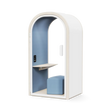
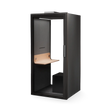
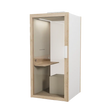
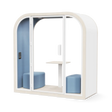
Premium European office chairs are often specified because they avoid the false choice between performance and appearance. Pedrali, Muuto, Alki, Softline, Lapalma, and Framery each sit in different parts of the workspace and hospitality mix, from task seating to acoustic and collaborative environments. A well-planned office doesn't use the same seating logic everywhere. It places highly adjustable chairs at workstations, more design-led ergonomic seating in meeting or breakout zones, and specialist products where acoustic control or privacy matters.
Your UK Buyer and Specifier Checklist
A strong shortlist is usually simple. The buyer just needs the right filter.
What to confirm before placing an order
- Check ergonomic fundamentals first: Confirm a five-point base, proper seat depth adjustment, and user fit across the team.
- Review support, not just softness: Dynamic lumbar support and properly adjustable armrests matter more than plush padding.
- Compare total cost, not ticket price: Include maintenance, repairability, replacement risk, and internal admin load.
- Specify certified materials: FSC/PEFC and OEKO-TEX, where applicable, help support traceability, wellbeing, and responsible sourcing.
- Choose the right finance route: Decide whether the project suits ownership, FaaS, or leaseback based on cash flow and asset strategy.
- Match chairs to use case: Desk work, breakout zones, coworking, and hospitality settings shouldn't all be furnished with the same product logic.
For teams reviewing the best ergonomic office chairs UK market, the most useful next step is usually to compare chairs as part of a wider workspace system rather than as isolated products. That means looking at adjustability, durability, recovery, and financial model together.
For businesses comparing premium task seating, hospitality furniture, or flexible procurement models, Enky offers a curated catalogue and project support across workspace, hospitality, and residential environments. The practical next step is to explore the task chair range or speak with the team about subscription, circular purchase, or leaseback options that fit the project.


