


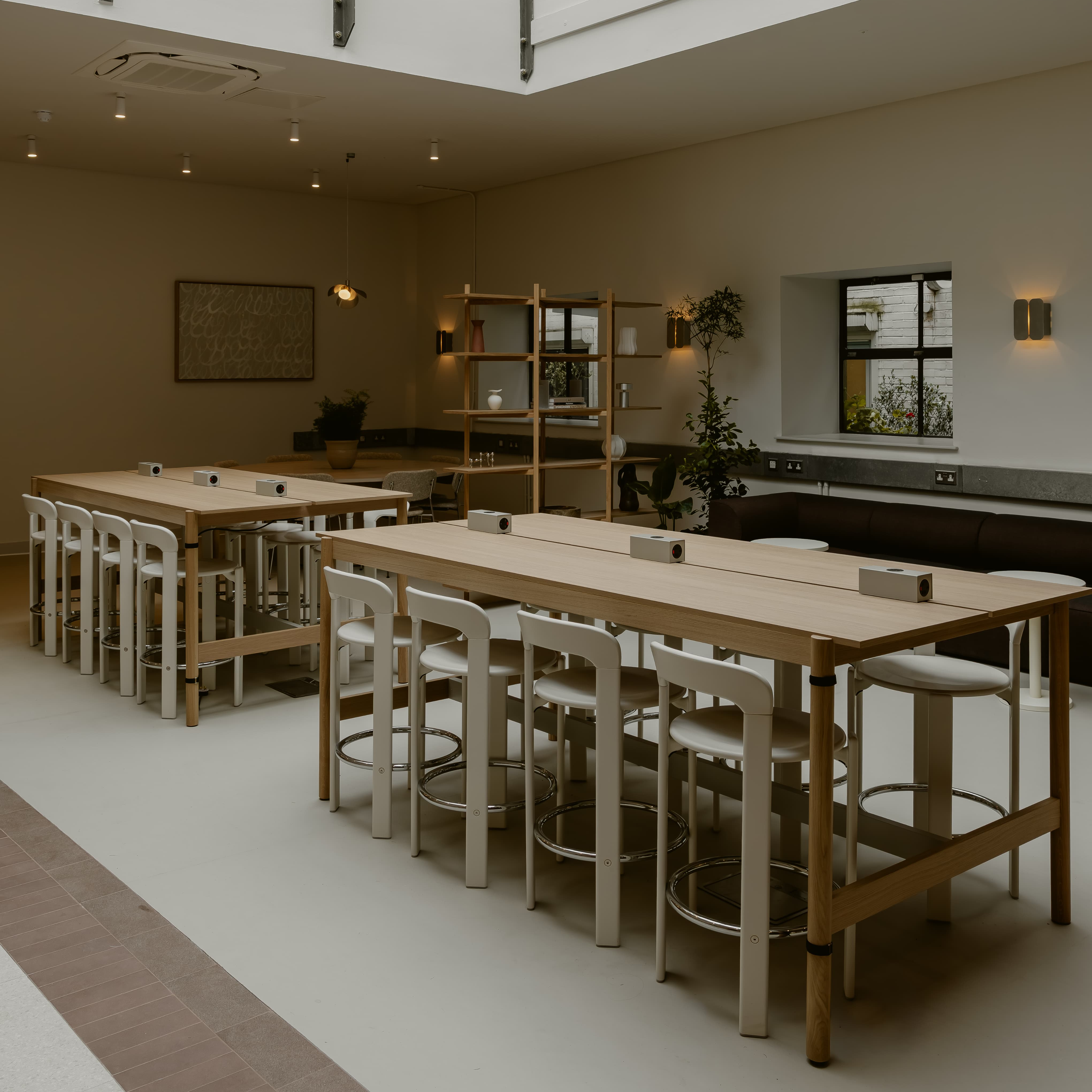
Subscription Furniture: Flexible, Circular & Premium Design
A lease is signed. Headcount may double within a year. The fit-out budget is already under pressure from deposits, technology, and recruitment, making subscription furniture an operating model rather than merely a styling decision.
For office managers, founders, hotel operators, and developers, the usual purchase logic often breaks down fast. Buying furniture outright ties up cash, creates maintenance obligations, and leaves the business with disposal and replacement problems later. Basic rental doesn't solve much either if the offer is generic, rigid, or disconnected from the realities of space planning and lifecycle management.
The stronger model is Furniture as a Service. It treats furniture as a managed business asset rather than a one-off transaction. That means design support, delivery, installation, maintenance, recovery, and a clear end-of-life path built into the agreement. For organisations balancing flexibility, premium design standards, and tighter capital discipline, that changes the decision entirely.
Table of Contents
- What Is Subscription Furniture, Beyond Basic Rental?
- The Financial and Operational Mechanics of Subscription Furniture
- Subscription vs Purchase: A Strategic Comparison
- A Circular, Flexible and Design-Led Approach
- Making the Right Choice for Your Business
- Frequently Asked Questions about Subscription Furniture
What Is Subscription Furniture, Beyond Basic Rental?
The category is moving quickly. Future Market Insights projects the furniture rental and subscription market to grow at 10.2% a year in the UK, 8.7% in Germany and 8.5% in France between 2025 and 2035, driven by businesses that want flexibility and lower upfront capital commitments.
That growth makes sense. Traditional rental usually means temporary access to furniture. Furniture as a service means outsourcing the furniture lifecycle itself. The distinction matters because most commercial furnishing problems don't start at delivery. They appear later, when layouts change, a team expands, a chair needs repair, or a site closes and everything has to be removed without operational disruption.
The service layer is the actual product
A proper subscription model includes more than inventory. It includes specification, logistics, installation, ongoing care, and asset recovery. That shifts furniture from a procurement line item into an operational service.
A practical way to consider this is:
- Basic rental suits short-term, low-complexity needs.
- Subscription furniture suits businesses that need quality, adaptability, and a defined asset strategy.
- Outright purchase suits teams with long time horizons, internal facilities capacity, and no concern about future redistribution.
Practical rule: If the business expects layout changes, lease uncertainty, or phased growth, the real cost isn't the chair or desk. It's the friction of changing course later.
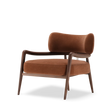
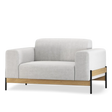
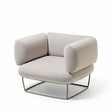
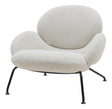
The strongest offers also avoid rental-grade product. A curated commercial catalogue with pieces such as Pedrali seating, Muuto lounge systems, or Framery acoustic booths gives facilities teams and designers access to furniture that can hold up in real use. More detail on that model appears in this overview of Furniture as a Service.
Why the distinction matters operationally
A founder doesn't need fifty desks. The founder needs a functioning workspace that can be reconfigured without waste. A hotel operator doesn't need lobby chairs alone. The operator needs chairs, maintenance coverage, and a credible recovery plan at refurbishment.
That is why subscription furniture should be assessed as an asset management structure, not a short-term hire product.
The Financial and Operational Mechanics of Subscription Furniture
The financial logic is straightforward. A workplace subscription bundles delivery, on-site installation, maintenance, and end-of-life recovery into the monthly fee, replacing a large upfront purchase with a predictable operating payment. One nuance matters for finance teams: the exact accounting treatment depends on the contract terms. Short-term or low-value agreements can typically be expensed, while longer subscriptions are usually recognised as a right-of-use asset under IFRS 16. The consistent benefit is a lower upfront capital outlay and better cash-flow timing, not simply moving furniture off the balance sheet.
Either way, the approval conversation changes. The question stops being whether the business can absorb a large fit-out purchase this quarter. The question becomes whether a predictable monthly operating cost produces better cash discipline and lower lifecycle friction.
How an office furniture subscription works in practice
A typical office furniture subscription follows a simple sequence:
- Brief and layout definition. Headcount, use patterns, acoustic needs, meeting formats, and lease horizon shape the specification.
- Product selection. The catalogue is matched to the space. That may include desks, ergonomic chairs, modular sofas, shelving, lighting, and acoustic phone booths.
- Monthly service agreement. The business pays for access and service, not only for objects.
- Scale, swap, or return. When the team changes, the furniture plan changes with it.
A realistic growth scenario
As an illustration, consider a 40-desk office for a Brussels scaleup. The business needs task chairs, desks, and collaborative seating quickly, but it doesn't want to lock capital into assets that may be wrong eighteen months later. In a subscription structure, the company can equip the full office, then increase the plan as headcount grows, without running a new disposal cycle or writing off recently purchased pieces.
The same logic plays out in Enky's real Belgian projects: 4Ventures, a Belgian investment fund, chose subscription precisely because tying up capital in office furniture made no financial sense for a small team, and the circular model keeps its space current as the company grows.
Subscription works best when furniture demand is linked to business uncertainty. Growth, contraction, hybrid attendance, and secondary project spaces all reward flexibility. Procurement and operations begin to align. The monthly invoice is predictable. The facilities burden is reduced. The business retains room to adapt.
Subscription vs Purchase: A Strategic Comparison
The hardest mistake in furniture procurement is comparing only invoice prices. Ownership often looks cheaper on day one because the hidden costs sit elsewhere. Maintenance, storage, refresh cycles, internal coordination, and disposal rarely appear in the original comparison.
For teams assessing furniture leasing for business, the better framework is to compare cash flow, flexibility, residual responsibility, and end-of-life control. A third path also matters here. Circular furniture purchase gives the business ownership from day one, but with recovery and next-life planning built in.
Furniture procurement model comparison
| Factor | Subscription (FaaS) | Traditional Purchase | Circular Purchase |
|---|---|---|---|
| Upfront cash impact | Low initial outlay, monthly operating cost | High initial capital outlay | Higher than subscription, but aligned with ownership |
| Balance of responsibility | Provider manages service elements | Client manages most lifecycle tasks | Shared model with planned recovery route |
| Flexibility during contract | High. Easier to scale, swap, or return | Low. Changes usually require new purchases or storage | Moderate. Ownership remains, but end-of-life is planned |
| Maintenance burden | Commonly integrated | Usually internal or outsourced separately | Typically lower friction than standard purchase if recovery is included |
| End-of-life outcome | Recovery and redistribution can be built in | Client handles resale, disposal, or write-off | Buy-back or recovery route is defined upfront |
| Best fit | Growth-stage teams, flexible leases, phased projects | Stable long-term occupancy | Businesses that want ownership without unmanaged exit risk |
What purchase still does well
Purchase still makes sense in some cases. A long-term headquarters with stable occupancy and internal facilities capacity may prefer ownership, especially if the space won't change much. The problem is that many businesses assume they are in that category when they aren't.
The wrong procurement model usually doesn't fail at order stage. It fails at reconfiguration, relocation, or exit.
A circular route is often the more disciplined ownership model. Circular purchase is useful when a company wants asset control but doesn't want furniture to become a stranded liability later.
The practical comparison isn't rental versus ownership. It's unmanaged ownership versus managed lifecycle.
A Circular, Flexible and Design-Led Approach
Circularity only matters if the furniture is built to survive more than one cycle. The scale of the problem is European: research by Eunomia for the European Environmental Bureau estimates that around 10 million tonnes of furniture are discarded in the EU each year, most of it landfilled or incinerated. Furniture-as-a-service models redirect assets away from that waste stream, and premium contract pieces are designed to hold residual value across several years of commercial use because longevity and repairability are built into their construction.
That is the difference between circular language and circular operations. If a provider uses modular, repairable pieces with certified materials such as FSC/PEFC wood and OEKO-TEX fabrics where applicable, recovery becomes commercially realistic instead of aspirational.
Financial agility depends on product quality
Cheap furniture is often expensive in a subscription model because it doesn't repair well and doesn't hold residual value. Premium contract pieces from brands such as Pedrali or Muuto perform better because components, finishes, and construction support repeated commercial use.
A Muuto modular seating system in a co-living lounge can be reconfigured as layouts evolve. A Pedrali dining chair in a boutique hotel breakfast room can be repaired, refreshed, and redeployed rather than replaced. That design logic is what makes circular procurement credible.
For teams planning workplace layouts, workspace furniture and planning options are most useful when acoustic, ergonomic, and modular needs are considered together rather than bought piecemeal.
Operational freedom only works with recovery built in
Flexibility isn't only about adding pieces. It also means removing furniture without a disposal project. This matters in hybrid offices, temporary project spaces, and hotel refurbishments where furniture must move cleanly through its lifecycle.
Well-run subscription furniture doesn't end with collection. It continues through inspection, repair, redistribution, and reuse. That operational chain is what turns sustainability from a claim into a procurement method.
Making the Right Choice for Your Business
The right model depends less on sector than on volatility. If the space, headcount, or brand concept may change, flexibility usually has more value than ownership. If the site is fixed and the specification is unlikely to move, ownership may still be appropriate.
Workspaces with uncertain growth
A startup taking a new office rarely knows its exact furniture needs beyond the first phase. A team may need bench desks and ergonomic seating now, then acoustic booths and informal collaboration zones later. Subscription furniture fits that pattern because the furnishing plan can expand with the organisation instead of forcing a second procurement cycle.
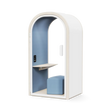
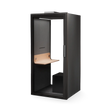
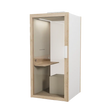
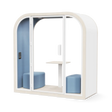
Framery booths and other acoustic pods are a clear example. They solve a real acoustic problem in hybrid offices, but they also represent a commitment. Accessing them through a flexible model is often easier than capitalising a full acoustic programme upfront.
Hospitality sites with heavy fit-out pressure
Boutique hotels and serviced apartment operators face a different issue. Their problem isn't only flexibility. It's the initial cash spike. Picture a London property furnishing 24 rooms: the operator may want to direct more budget into guest experience, operations, and launch activity rather than absorbing a large furniture outlay at opening.
In that context, modular sofas, dining chairs, bar stools, lighting, and bedroom casegoods become part of a monthly operating structure rather than a one-time hit to cash reserves. Integrated maintenance matters here as much as the financial model because guest-facing environments degrade visibly when upkeep is fragmented.
This is exactly how The Moment, a bistrot in the 5th arrondissement of Paris, was furnished: the subscription gave the owner and her designer access to velvet dining chairs, antique brass table legs and a lounge sofa that would otherwise have stretched the opening budget beyond reach.
Designers and specifiers who need fewer compromises
Architects and interior designers usually don't want generic rental packs. They want a coherent palette, reliable lead times, and materials that support both durability and project standards. That is where a curated European catalogue matters. Pedrali, Alki, Muuto, Softline, and Lapalma sit in a different category from disposable contract stock because the design language and build quality support long-term use.
One provider operating in that space is Enky, which structures access through subscription, circular purchase, and leaseback across workspace, hospitality, and residential projects. The model is relevant when the brief calls for premium specification without unmanaged ownership risk.
Frequently Asked Questions about Subscription Furniture
What happens at the end of a subscription contract?
There are usually three sensible routes. The client returns the furniture, extends the contract, or purchases the pieces at the end if that option exists. In Enky's living projects, the subscription runs on a minimum 12-month term, and clients can return the furniture, extend the rental, or buy it at estimated value at contract end, as outlined on the living subscription page.
Is subscription furniture always more expensive than buying?
Not necessarily. The answer depends on what is included and how the business models ownership costs. Purchase comparisons often ignore maintenance, warehousing, internal handling, disposal, and refresh losses. Subscription can look more expensive if the comparison includes only the sticker price of furniture and excludes the cost of managing it over time.
A fair comparison has to include the exit. Most furniture decisions become expensive when the business no longer wants the asset.
How is damage or wear handled?
That depends on the contract structure. In stronger FaaS models, maintenance is part of the service because commercial furniture is expected to age in use. The important question isn't whether damage can occur. It is how inspection, repair standards, and recovery responsibilities are defined before the order is placed.
Can existing furniture be turned into working capital?
Yes, through leaseback in the right circumstances. In a leaseback transaction, the provider becomes the legal owner of existing furniture assets and leases them back, allowing clients to recover up to 90% of the furniture's value depending on quality, brand, condition, and volume, as outlined on Enky's leaseback page. That route is useful for businesses with good furniture already in place but pressure on cash.
How are these furniture assets funded?
Some providers fund projects through their own balance sheet or partner finance structures. In Enky's case, there is also an investment arm connected to furniture assets. Readers interested in the asset side can review Enky Invest, which presents the furniture investment model for individuals and wealth managers. As with any investment, capital is at risk and returns are not typically.
Businesses considering subscription furniture usually don't need more options. They need a clearer model for cash flow, flexibility, and end-of-life responsibility. Enky is one route for teams furnishing workspace, hospitality, and residential projects through subscription, circular purchase, or leaseback, with project support and a curated European catalogue built around long-life, repairable furniture.


