


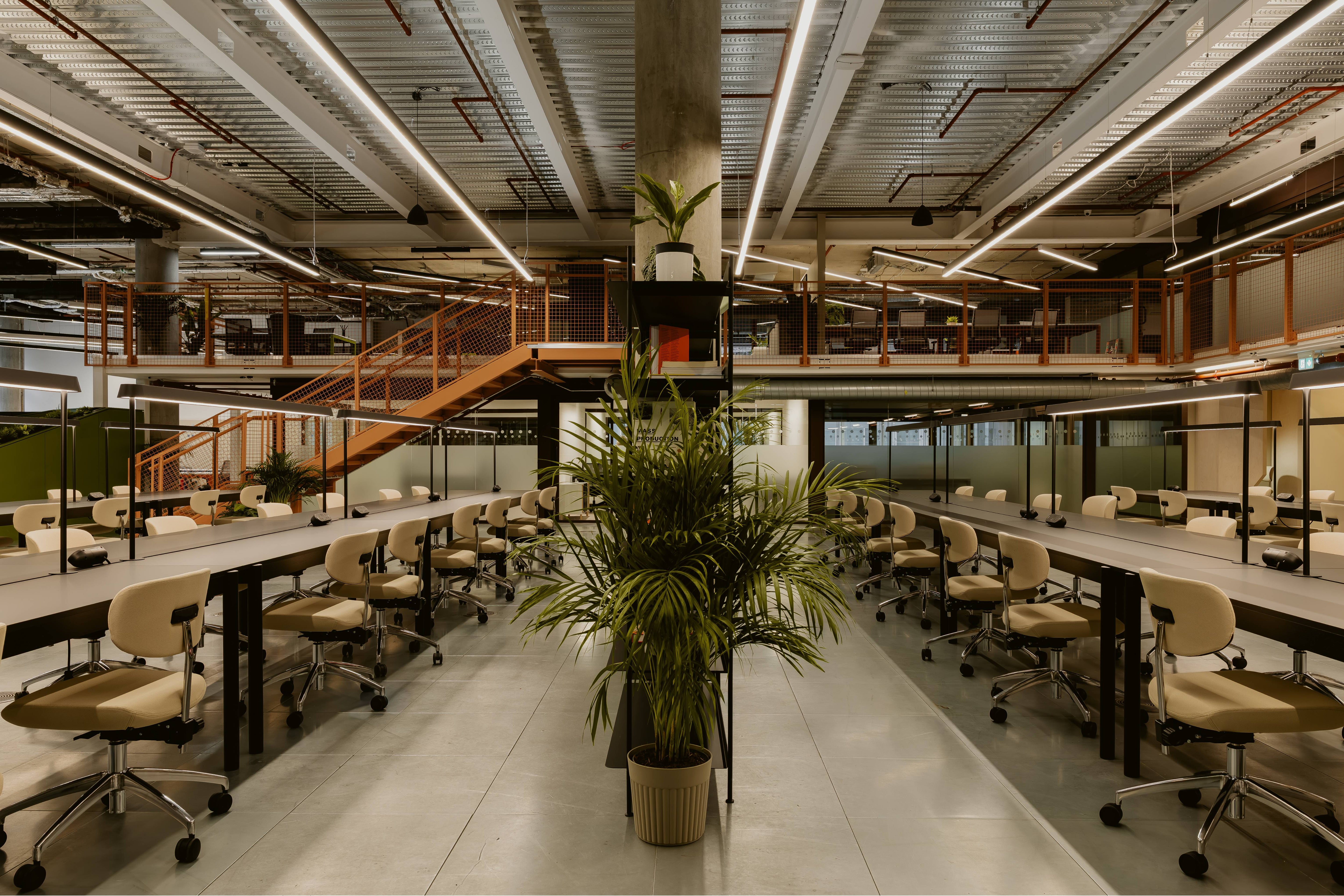
Furniture Subscription: Flexible, Circular & Design-Led
A team has signed a lease on a new office in London. A boutique hotel is refreshing its lobby and coworking lounge before peak season. Both face the same procurement problem. Buy everything upfront and tie up capital in assets that may not fit the space in two years, or choose lower-grade furniture that solves the short-term budget issue but creates a design, durability, and waste problem later.
That tension explains why furniture subscription has moved from niche option to serious operating model. The UK furniture rental and subscription market is projected to grow at a 10.2% CAGR between 2025 and 2035, reflecting a clear shift towards flexible, circular business models over ownership, according to Future Market Insights. For businesses furnishing workspaces, hospitality settings, and flexible living environments, that shift isn't about novelty. It's about avoiding dead capital, reducing disposal risk, and keeping interiors adaptable without compromising on design quality.
A well-structured furniture subscription model gives operators a third route. Not cheap furniture. Not rigid ownership. A managed system built around flexibility, lifecycle control, and better financial planning.
Table of Contents
- Introduction
- Defining Furniture as a Service
- The Strategic Financial Shift from CAPEX to OPEX
- The Circular Advantage in a Design-Led World
- How to Evaluate and Implement a Furniture Subscription
- The Enky Approach Three Models for Full Flexibility
- Frequently Asked Questions about Furniture Subscription
Introduction
The pressure usually shows up before the first chair is ordered. Headcount is moving, layout decisions are still changing, and finance teams want clarity on spend. At the same time, founders, operators, and designers don't want a space that looks temporary or performs badly six months after handover.
That is where furniture subscription makes practical sense. Instead of locking budget into static assets, businesses can align furniture with how the space is used. A 50-person startup may need ergonomic task chairs now, more meeting tables in a year, and acoustic booths once hybrid work patterns settle. A boutique hotel may need lounge seating, bar stools, and modular sofas that can be reconfigured as guest behaviour changes.
The model works because it treats furnishing as an operating decision, not a one-off purchase event. The result is better control over cash flow, easier reconfiguration, and less waste at end of life.
Defining Furniture as a Service
Furniture as a Service is often confused with rental, but the difference matters. Traditional rental is usually transactional. It solves an immediate need with available stock, fixed terms, and limited concern for long-term fit, brand expression, or lifecycle planning. Furniture as a Service is broader. It combines access to furniture with specification, delivery, installation, maintenance, and end-of-life recovery in one managed framework.

What separates FaaS from simple rental
The useful test is this. If a provider is only moving products in and out, that is rental. If the provider is helping shape the space, manage changes, maintain pieces in use, and recover them for refurbishment or redistribution later, that is furniture as a service.
Practical rule: A real FaaS model should cover the full furniture lifecycle, not just the first delivery.
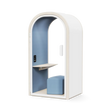
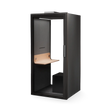
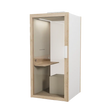
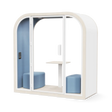
That distinction affects procurement quality. A workspace project may need Muuto lounge seating in reception, Pedrali meeting chairs in collaboration zones, and Framery phone booths added later as acoustic needs become obvious. A proper office furniture subscription should support those changes without forcing a full restart of the furnishing plan.
Why the service layer matters
The operational value sits in the service layer. Space planning, installation sequencing, maintenance coverage, and recovery logistics remove workload from internal teams. Facilities managers don't need to manage piecemeal replacements. Finance teams don't need to think about residual value disposal. Designers don't need to compromise the concept because the model only supports generic stock.
Even at product level, specification matters. The Ekko Armchair, designed by Boris Berlin for Icons of Denmark, is built around a European-wood frame with high-density foam and nozag springs, finished with lacquered aluminium legs and premium fabric or leather upholstery. It comes in standard or modular configurations, so it can be reconfigured as a space changes. In a FaaS context, details like that matter because the model only works if the furniture is durable enough to justify maintenance, reuse, and next-life deployment.
The Strategic Financial Shift from CAPEX to OPEX
For most commercial buyers, the strongest case for a furniture subscription starts in the balance sheet. Buying furniture outright means a large upfront capital outlay. That works for some businesses, but it can be restrictive for companies that are growing, testing formats, or preserving cash for hiring, product, or expansion.

Why finance teams care
A capital expenditure creates an owned asset that must be managed over time. An operating expense creates a predictable recurring cost, though how each is treated in the accounts depends on the contract terms and is worth confirming for each agreement.
A 50-person office is a good example. The business doesn't just need desks and chairs. It needs agility. Seating often leads subscription uptake because chair fleets rarely stay static as teams grow, layouts change, and standards for ergonomics rise. The financial question isn't only what the furniture costs today. It's what flexibility is worth over the next two years.
Budget pressure often comes from the wrong comparison. The real choice isn't ownership versus monthly spend. It's fixed assets versus adaptable operating cost.
What the model changes in practice
Integrated maintenance and recovery are not minor extras. When they are built into the contract, furniture stays in warranted use for longer and the total cost of ownership falls, because the costs of ownership move into a single managed service. That matters because those costs usually sit outside the purchase invoice. Maintenance coordination, replacements, storage, and disposal all sit somewhere in the business, even when they aren't visible in the initial budget.
For companies that already own furniture, leaseback options add another layer to the CAPEX versus OPEX conversation. Existing furniture can become a capital release rather than a sunk asset, while the pieces stay in use.
Where the OPEX model works best
Some environments benefit more than others:
- Scaling offices: team size changes faster than furniture depreciation cycles
- Boutique hospitality: design quality matters, but occupancy and format can shift
- Coworking and co-living: layouts need periodic reconfiguration rather than full replacement
That is why office furniture subscription has become a finance conversation as much as a design one.
The Circular Advantage in a Design-Led World
A circular model only works if the furniture was specified for longevity in the first place. Cheap, disposable pieces don't become sustainable because they are rented. They become sustainable when the materials, construction, maintenance pathway, and recovery plan were considered from day one.

Circularity starts with specification
That is why premium, repairable furniture matters in a furniture subscription model. FSC/PEFC and OEKO-TEX certification aren't decorative labels. They support better material traceability and healthier specification standards. Modular systems also matter because recovery is only useful if disassembly, refurbishment, and redistribution are realistic.
Circuly, a subscription-management platform, estimates that modular furniture with standardised disassembly protocols can reduce waste by up to 35% compared with static ownership models. That changes the environmental logic of furnishing. Instead of treating end-of-use as disposal, the model treats it as the start of another asset cycle.
A co-working operator using Softline modular seating in a lounge area is a good example. If the space later needs more event capacity and less casual seating, modular pieces can be reconfigured rather than scrapped.
Design quality is part of the circular argument
Circular furniture is often discussed as if it requires aesthetic compromise. In practice, poor design is one of the fastest ways to shorten a furniture lifecycle. If a piece looks dated quickly, performs badly, or doesn't suit evolving use, it gets replaced.
That is why curated European brands matter. Pedrali dining chairs can work in a restaurant and then move into a breakout workspace. Muuto lounge pieces hold their place in residential-style office settings. Framery booths are often added once open-plan teams realise acoustic privacy was under-specified at launch.
For hospitality operators balancing guest experience with environmental targets, the same logic applies across the whole space: material decisions, reuse planning, and operational logistics connect well beyond the furniture line item.
A circular ownership route also matters for buyers who do want to own. A circular purchase model keeps end-of-life recovery in the plan rather than leaving disposal as an afterthought.
A short visual overview helps show why circularity has become central to commercial furnishing decisions.
How to Evaluate and Implement a Furniture Subscription
Most buyers compare providers on monthly price first. That is understandable, but it is usually the wrong starting point. The better question is whether the model will still work when the space changes, a piece is damaged, or the contract ends.
What to assess before signing
A useful evaluation checklist looks like this:
- Catalogue quality: Check whether the provider offers durable, design-led furniture or mostly generic inventory. Look for brands, certifications, and commercial-grade standards.
- Service scope: Confirm what is included beyond delivery. Installation, maintenance, recovery, refurbishment, and swap support change the value of the contract.
- Flexibility terms: Review how reconfiguration works in practice. Demand-driven swaps are more useful than rigid replacement cycles.
- End-of-life policy: Ask what happens when furniture leaves the site. Recovery, refurbishment, redistribution, and resale pathways should be clear.
- Project coordination: For complex spaces, architect coordination and layout planning matter as much as product choice.
A low monthly price can hide a weak service model. Buyers usually discover that when the first reconfiguration request arrives.
How implementation should work
A good process feels closer to a project delivery model than an order form. It usually starts with a brief covering headcount, use zones, acoustic needs, style direction, and budget logic. Then comes layout planning, specification, delivery sequencing, installation, and ongoing support.
For workspace projects, seating should get special attention. Task chairs and lounge seating tend to change first because teams scale unevenly and layouts evolve around meeting, focus, and social areas. That is also why acoustic additions often appear mid-contract. Phone booths solve a real operational issue once open-plan usage becomes visible.
Businesses comparing providers for an office furniture subscription service should also ask whether owned furniture can sit alongside subscribed pieces. In many projects, a hybrid setup is the most sensible route.
The Enky approach: Three models for full flexibility
Most providers stop at one model. At Enky, the structure is broader because clients don't all face the same asset question at the same moment. Some need flexibility from day one. Some want ownership with a clear exit path. Others need to release capital from furniture they already have in place.

Subscription, circular purchase, and leaseback
The three-model structure matters because it aligns furniture decisions with business reality.
- Subscription suits teams that want monthly access, operational flexibility, and the option to adapt the scheme as needs change.
- Circular purchase suits buyers who want to own from day one but still want end-of-life recovery built into the decision.
- Leaseback suits businesses that already hold furniture assets and want to free up capital without removing those assets from use.
One insight from subscription data is especially useful. Clients often value the exit option more than they use it. In circular purchase, typically buyback reduces perceived risk at the point of decision. Later, many clients keep the furniture because it performs well and still fits the space.
Why the investment layer matters
The model becomes more interesting when furniture is treated as an asset-backed category rather than only an operating need. That is where Enky Invest sits. It lets individuals and wealth managers help finance furniture projects, with returns of 7 to 9% a year paid monthly and a an accessible entry ticket. Enky has more than Enky Invest participants, over €assets under management (not detailed here)invested, and 180+ furnished projects.
Enky Invest is operated by Enky Finance and Assets SA, which issues bonds to the public under French law (Code monétaire et financier, article L411-2) and has filed a Document d'Information Synthétique with the AMF. As with any investment, capital is at risk, including the partial or total loss of the sum invested and illiquidity; full risk information is on the Enky Invest and risks pages.
The important shift is conceptual. Furniture stops being viewed only as a depreciating purchase and starts being managed as a recoverable, reusable tangible asset. That framework connects finance, operations, and circular design more effectively than simple rental ever can.
Frequently Asked Questions about Furniture Subscription
What happens if furniture is damaged during the contract
That depends on the provider's maintenance terms, which should be reviewed before signature. In stronger service models, maintenance coverage is one of the most commonly selected add-ons because it keeps furniture in warranted condition without creating extra facilities workload.
Can subscribed furniture be swapped during the contract
Yes, if the agreement is built for operational flexibility. In practice, most changes are demand-driven rather than scheduled. Headcount growth, floorplan revisions, or a move to a new site are common triggers.
Is furniture subscription only useful for offices
No. It also fits boutique hotels, restaurants, co-living schemes, and furnished residential projects. The common thread is the need for flexibility, design consistency, and reduced disposal burden.
Can a company mix owned pieces with subscribed furniture
Yes. That is often the most practical route, especially when a business already has serviceable meeting tables, storage, or reception pieces but wants more flexibility in seating, lounges, or acoustic zones.
What should buyers ask before choosing a provider
Ask where the furniture comes from, what certifications apply, what happens at end of contract, and whether the provider supports real project coordination rather than simple fulfilment.
Businesses comparing furniture procurement models don't need more inventory. They need a clearer asset strategy. Explore Enky to review subscription, circular purchase, and project-led furnishing options for workspace and hospitality environments.


