


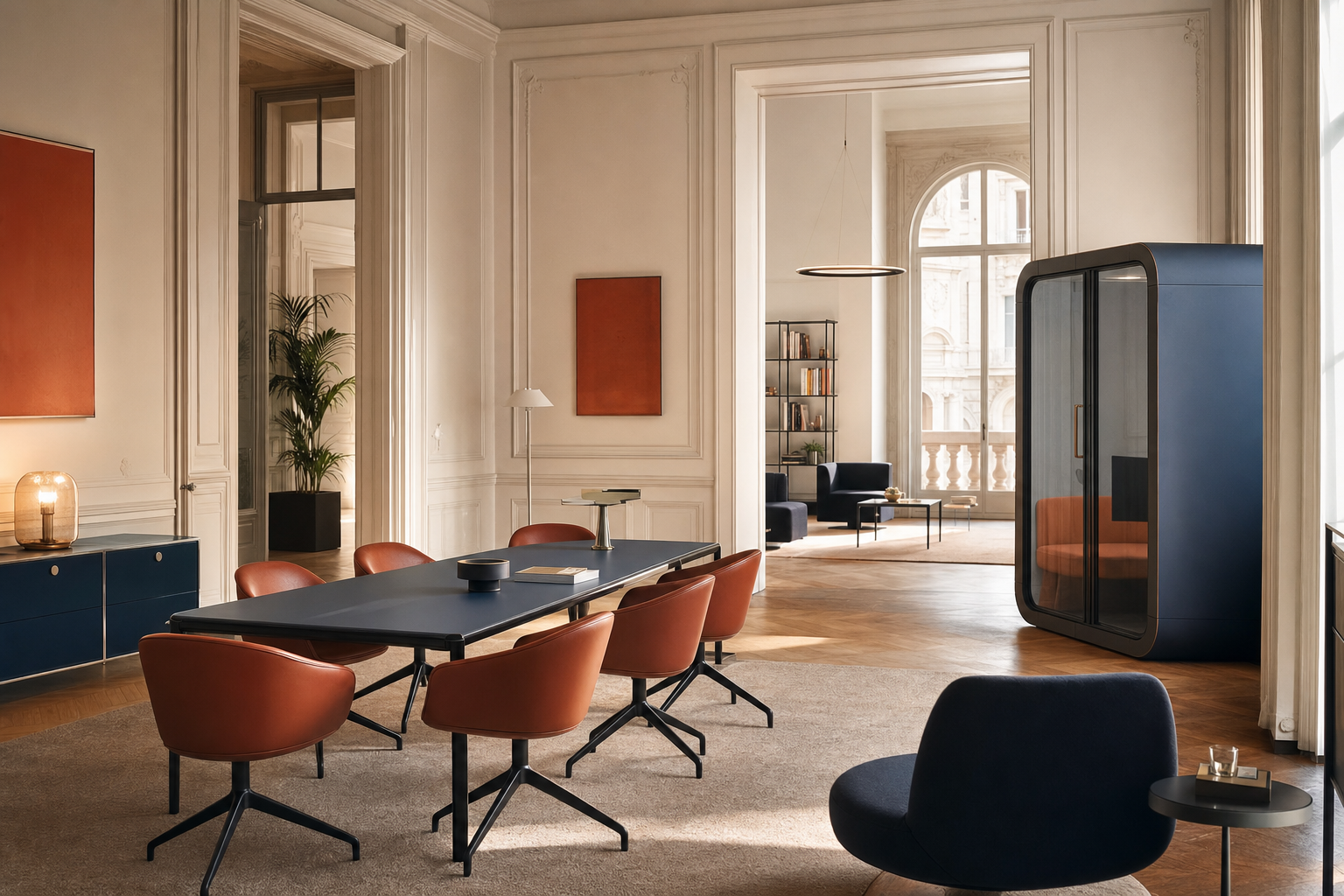
Organizations don't lose money on office or hospitality furniture at the moment of purchase. They lose it later, when layouts change, teams shrink or grow, a fit-out gets refreshed early, and perfectly usable assets become a disposal problem. In the UK alone, WRAP estimates that roughly 1.2 million desks and 1.8 million office chairs are discarded each year, with only around 17% of office furniture recycled.
That's why circular economy furniture matters. It isn't a style category or a recycled-material badge. It's an operating system for furniture. Instead of the old take, make, waste model, it keeps assets in use through specification, maintenance, recovery, refurbishment and redistribution. The shift is similar to software moving from boxed ownership to managed access. The value sits in performance over time, not just in the initial transaction.
For businesses furnishing offices, hotels, restaurants or co-living spaces, that changes the decision completely. The question stops being "What should be bought?" and becomes "How should this asset be used, managed and recovered?" Enky's company approach sits directly in that transition, combining certified European-made furniture with service models that reduce waste and improve flexibility.
Table of Contents
- Introduction
- What Circular Economy Furniture Really Means
- Three Circular Models to Access Premium Furniture
- The Financial Case for a Circular Approach
- A Procurement Checklist for Circular Specification
- Frequently Asked Questions
Introduction
Circular economy furniture starts with an uncomfortable fact. The UK throws away an extraordinary amount of usable furniture, and office environments are a major part of the problem. When a workplace move, refurbishment or downsizing is handled like a one-off fit-out exercise, furniture is treated as a short-life procurement line rather than a managed asset class.
That approach no longer matches how space works. Offices change faster because hybrid work changes headcount patterns, team zoning and acoustic needs. Hospitality spaces change because occupancy models, brand positioning and guest expectations shift. A linear furniture strategy locks businesses into ownership decisions that often outlive the original brief.
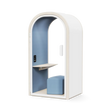
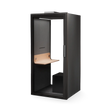
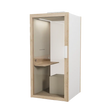
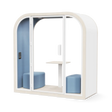
Circular economy furniture offers a more realistic model. It keeps products in circulation for longer through durable design, repairability, refurbishment, and planned recovery at end of use. It also rewards better specification upfront. A modular sofa, an acoustic booth, or a meeting chair has more long-term value when its components can be repaired, reconfigured or redeployed.
For finance leaders, the appeal isn't abstract. Circular models can reduce disposal exposure, support ESG objectives, and create better alignment between furniture cost and actual use. For workplace and hospitality teams, they make operational change easier. The strongest circular strategies don't begin with sustainability messaging. They begin with a practical question. How can furniture stay useful, valuable and recoverable across more than one life?
What Circular Economy Furniture Really Means
Most articles reduce circular economy furniture to materials. That's too narrow. Recycled content matters, but circularity is really about whether furniture can stay in productive use at high value for as long as possible.

It's a system, not a product claim
A circular chair isn't circular just because it contains recycled material. The broader test is tougher.
- Longevity: Can it withstand commercial use without failing early?
- Repairability: Can upholstery, glides, bases or panels be replaced?
- Disassembly: Can components be separated without destroying the product?
- Recovery: Is there a credible route for take-back, refurbishment or redistribution?
A Softline modular sofa or an Alki seating piece makes more sense in a circular system when the supplier can support maintenance and a next-life route, not just the initial delivery.
Circularity fails when procurement teams buy durable products but leave end-of-life responsibility undefined.
The three model comparison that actually matters
The most practical way to assess circular furniture is to compare the access model, not just the object.
| Model | Ownership | Cash flow logic | Flexibility | End-of-life responsibility | Best fit |
|---|---|---|---|---|---|
| Subscription | Supplier retains ownership during term | Predictable monthly cost | High | Managed through take-back structure | Startups, scaleups, flexible offices, short to mid-term hospitality concepts |
| Circular purchase | Client owns from day one | CAPEX | Medium | Planned recovery can be integrated contractually | Established offices, hotel operators, long-hold property assets |
| Leaseback | Existing assets monetised while retained in use | Frees tied-up capital, up to 90% of the furniture's value | Medium to high | Recovery and redeployment can be structured later | Businesses with furniture already on site and pressure on cash flow |
Circular economy furniture proves commercially useful. A 50-person startup opening a London office often needs desks, ergonomic chairs, meeting tables and a Framery booth without locking cash into a full purchase on day one. A boutique hotel, by contrast, may prefer long-term control over lounge and dining pieces while still requiring a recovery path at refurbishment stage.
What doesn't work
Three patterns usually break circularity in practice:
- Specifying on aesthetics alone. Good-looking furniture with poor repair access becomes expensive waste.
- Treating disposal as a later problem. If take-back isn't designed into the contract, landfill remains the default.
- Buying fixed-use pieces for variable spaces. Hybrid work and mixed-use hospitality need modular systems, not rigid layouts.
That's why circular furniture should be assessed as a managed lifecycle, not a procurement trend.
Three Circular Models to Access Premium Furniture
Circular economy furniture becomes real when the commercial model supports it. Without that, "circular" stays as a design intention with no operational mechanism behind it.

Subscription works when space needs move faster than budgets
Furniture as a service is strongest when a business needs immediate fit-out performance but wants to preserve cash and avoid ownership friction. Under a furniture subscription model, the client pays for use over time rather than buying every asset upfront.
This suits companies with changing headcount, landlords furnishing flexible amenity areas, and hospitality operators testing a concept before committing to a full capital purchase. A London startup might subscribe to height-adjustable desks, ergonomic chairs, lounge seating and acoustic elements, then adjust quantities as the team changes. A co-living operator might do the same across lounges and shared work areas.
The environmental case is also tangible. Keeping furniture in circulation avoids the manufacturing emissions of replacement production, and the effect compounds across a managed fleet: Enky estimates its circular model has avoided around 1,990 tonnes of CO2e emissions across 180+ projects, a model covered by Tech.eu at its UK launch.
A direct example of a structured route is Enky's subscription model, which sits alongside circular purchase and leaseback as a contract-based way to keep furniture in managed circulation.
Circular purchase fits stable environments that still want recovery built in
Some businesses do want ownership from day one. That's reasonable. Hotels with long design cycles, mature offices with stable occupancy, and premium restaurant operators often prefer a purchase structure for accounting or operational reasons.
The problem with traditional purchase is simple. It rarely includes end-of-life recovery. Circular purchase corrects that by attaching a recovery pathway to ownership. The furniture is bought, used, maintained and later returned, resold, refurbished or responsibly processed through a predefined route.
Practical rule: If ownership is important, recovery must be contractually clear before delivery, not negotiated after the furniture becomes surplus.
This model works especially well for premium European collections where durability justifies long service life. Pedrali dining chairs in a restaurant, Muuto lounge seating in a lobby, or Lapalma stools in a hospitality bar area all hold more residual value when they've been selected for longevity and traceability. The hybrid version already runs in practice: at the Domaine de Courtigis, the retreat estate operated by Momoamo near Paris, circular purchase covers the permanent anchor pieces while a subscription layer refreshes as the concept evolves, across five renovated buildings.
Leaseback turns static furniture into a balance-sheet tool
Leaseback is the least discussed model in circular furniture, but it solves a real business issue. Many companies already sit on usable furniture assets while still facing pressure on liquidity. Leaseback allows those assets to be monetised, releasing up to 90% of their value, while remaining in use.
That creates room for other spend priorities without forcing a replacement cycle. It also brings furniture under a more active management framework, which is often the first step toward circular recovery later.
For CFOs, the circular economy conversation goes beyond sustainability language. It becomes asset discipline.
The Financial Case for a Circular Approach
For finance teams, circular economy furniture isn't persuasive because it sounds responsible. It's persuasive when it improves capital allocation, cash-flow control and asset visibility.

CAPEX versus OPEX is the real decision
Traditional furniture procurement pushes a business toward upfront capital expenditure. That can make sense in some cases, but it often creates a mismatch between payment timing and actual utility. If the space changes before the furniture reaches the end of its technical life, the company absorbs the write-down and then pays again to reconfigure, store or dispose.
A circular subscription model moves much of that burden into operating expenditure. That means more predictable monthly costs and less exposure to stranded assets. It also helps teams align furniture decisions with real occupancy patterns rather than committing to a fixed asset base too early.
That matters for sustainable office furniture because sustainability without financial coherence rarely survives budget scrutiny.
Procurement teams need a checklist, not a slogan
Finance and procurement should pressure-test circular claims using a short commercial checklist:
- Certification evidence: Ask for FSC/PEFC wood certification and OEKO-TEX textile documentation where relevant.
- Component logic: Check whether parts can be replaced without replacing the whole item.
- Manufacturing traceability: Prefer European-made supply chains when verification and service coordination matter.
- Recovery process: Require a documented route for collection, refurbishment, redistribution or material separation.
Pedrali is a useful example of the kind of brand often specified in premium commercial projects because product durability and repeatable manufacturing standards support longer use cycles.
Disposal is a hidden cost centre
When a business exits a space or refreshes a fit-out, asset disposal becomes urgent and expensive because nobody planned it early. Internal facilities teams then scramble between storage, resale, clearance and waste contractors.
The alternative is a system where redistribution is built in from the start. Enky's work with DWS on real estate staging shows the loop in action: pieces furnish a space for its marketing phase, then re-enter the ecosystem for their next deployment instead of heading to clearance. A structured leaseback model can help avoid the last-minute disposal cycle in the same way, by treating furniture as an actively managed asset rather than a sunk cost.
A Procurement Checklist for Circular Specification
Most circular economy furniture programmes succeed or fail at specification stage. If the brief is vague, the project usually ends up with conventional products wrapped in sustainability language.

Start with verifiable criteria
A useful circular specification checklist should include four tests.
-
Material traceability
Timber should ideally come with FSC/PEFC documentation. Upholstery and soft components should be checked for OEKO-TEX relevance where applicable. If a supplier can't evidence materials, the circular claim is weak. -
Design for disassembly
Modular systems matter because businesses rarely use spaces in a fixed way. Lounge configurations, meeting zones and hybrid work settings benefit from products that can be separated, repaired or reconfigured without waste. -
Durability and serviceability
Spare parts, upholstery replacement and component access all matter more than broad sustainability language. -
End-of-life process
The supplier should explain what happens at return. Reuse, refurbishment, redistribution and only then material recovery.
Then assign responsibilities internally
Circular procurement works better when each team owns a defined part of the decision.
- Finance: Approves the access model and residual risk assumptions.
- Workplace or operations: Defines how likely the space is to change.
- Design team: Selects products that are modular, durable and appropriate for use intensity.
- Procurement: Verifies certifications, service terms and take-back obligations.
- Facilities: Tracks condition and coordinates collection or redeployment.
This is also where market reality needs to be acknowledged. Industry guidance, including the UK Green Building Council's circular economy work, points toward standardised, modular elements, but leaves a gap on how many suppliers can actually verify those criteria in practice. That's where documented partners matter more than generic sustainable marketing.
The contract is part of the product. If recovery, maintenance and redistribution aren't written down, they usually don't happen.
For organisations that want ownership but still need a documented next-life route, circular purchase options are one of the clearest ways to align procurement with real recovery outcomes.
Use case signals to watch for
Muuto modular lounge pieces can suit amenity spaces that need periodic reconfiguration. Framery booths fit workplaces where acoustic privacy is required now, but layout flexibility still matters later. Lapalma stools can work well in hospitality settings where heavy daily use meets a strong design requirement.
Those are not circular by default. They become part of a circular system when the specification, service model and recovery path are all aligned.
Frequently Asked Questions

Is circular furniture more expensive upfront?
Sometimes yes, sometimes no. It depends on the access model and the specification standard. Subscription reduces upfront spend because the cost is spread over time. Circular purchase may look similar to conventional premium purchase at the start, but the value difference appears later through recovery, redeployment and lower disposal friction.
What happens if subscribed furniture is damaged?
That depends on the contract and the condition assessment process. In a strong circular model, damaged items are triaged rather than automatically discarded. Some pieces are repaired, some refurbished, some broken down into recoverable components. The practical point for buyers is to ask how condition grading is handled before signing.
How flexible is furniture subscription if headcount changes?
It's usually much more flexible than outright ownership. That matters for hybrid offices, project-based teams and growing hospitality operators. Businesses that expect frequent reconfiguration should prioritise modular desks, acoustic elements, lounge systems and seating families that can be adjusted without replacing the entire fit-out. For broader planning needs, the workspace collection gives a clearer view of how layout and furniture strategy connect.
Can circular furniture still feel premium?
Yes. Circular doesn't require a compromise on design language. Premium European brands such as Pedrali, Alki, Muuto, Softline and Framery are often specified precisely because they combine commercial durability with a clear visual identity. A good example of product logic is Muuto's Connect Soft Modular Sofa - 3-Seater, designed by Anderssen & Voll. Its FSC-certified wood frame, modular components and certified durability show how aesthetic quality and lifecycle thinking can sit together in one piece.
Is furniture investment relevant to this market?
For some audiences, yes. Furniture is a tangible asset category, and Enky Invest is built around that logic, offering furniture-backed investment opportunities with target returns of up to 9%. As with any investment, capital is at risk and returns are not guaranteed. The commercial case is strongest where assets are durable, recoverable and designed for multiple use cycles rather than single-project consumption.
Businesses that want furniture to perform like an asset, not behave like waste, should treat circularity as a contract, specification and recovery question from the start. Enky provides a way to explore that across subscription, circular purchase and leaseback, with certified European furniture for workspace and hospitality settings.


